Passionate Pursuits Involving Caft
Patient Advocacy
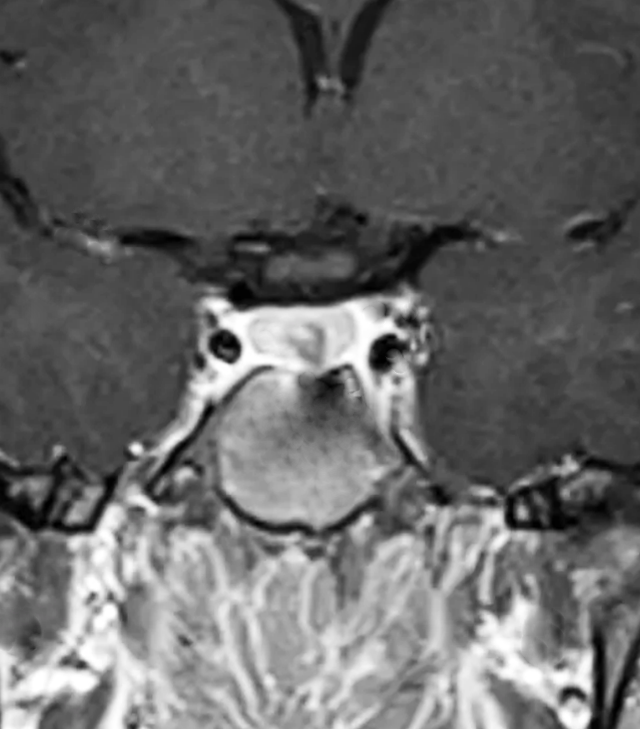
My work as a patient advocate began in the mid-1990s, when a friend was struggling with what presented as a complex autoimmune condition. It was debilitating, her doctors were not addressing it effectively, and as a result she was spiraling into deeper and deeper depression and despair. Because of my own health conditions — and my own experiences with a health care system that tends to put square pegs in round holes — I offered to help her manage her care and her interactions with physicians.
I began by simply accompanying her to appointments, where I learned that her doctors did not believe she had a medical condition at all, but a mental disorder instead. Knowing her as well as I did, I didn't agree. So I began reviewing her labs and each specialist's notes, and a pattern became clear to me: something was causing chronic fatigue and pain throughout her body, and none of her 22 medications — some of which worked against each other — were helping. After discussing this, we worked with her physicians to ramp her off of the medications whose side effects were worse than her original symptoms, and to look instead at foundational aspects of well-being like sleep, diet, exercise, and enjoyment of life. As it turned out, some of those medications had also been interfering with these very aspects of her well-being.
Then, after reviewing earlier hormone results that didn't look right to me, I arranged a consultation with the head of neuroendocrinology at a university teaching hospital. He looked at the same results and agreed they warranted a closer look. After ordering and reviewing an MRI, he determined that she likely had a pituitary microadenoma affecting her hypothalamic-pituitary-adrenal axis — which could explain not only the abnormal hormone levels, but several of her other symptoms as well.
That clearer identification of cause led to a completely different treatment regimen. She was soon feeling better, able to maintain more balanced self-care habits, and able to return to a much more normal sense of well-being. She got her life back.
That experience motivated me to help others in the same way, and over time advocacy became part of a broader approach. Many of the people who come to me have been failed by conventional medicine — not by its diagnostic tools, which are remarkable and indispensable, but by treatment approaches that too often assume one size fits all. Some have been so alienated by those failures that they have given up on doctors altogether. When appropriate in Integral Lifework coaching, I help them rebuild a foundation of well-being that can include complementary modalities like Reiki, craniosacral and myofascial therapies, and body-centered psychotherapy (Hakomi). Just as importantly, I help them return to conventional medicine on better terms: trusting its diagnostics again, partnering with a competent primary care physician, finding the right specialists, and arriving at treatments that actually work for them. Where it's needed, advocacy is woven into that process.
Teaching
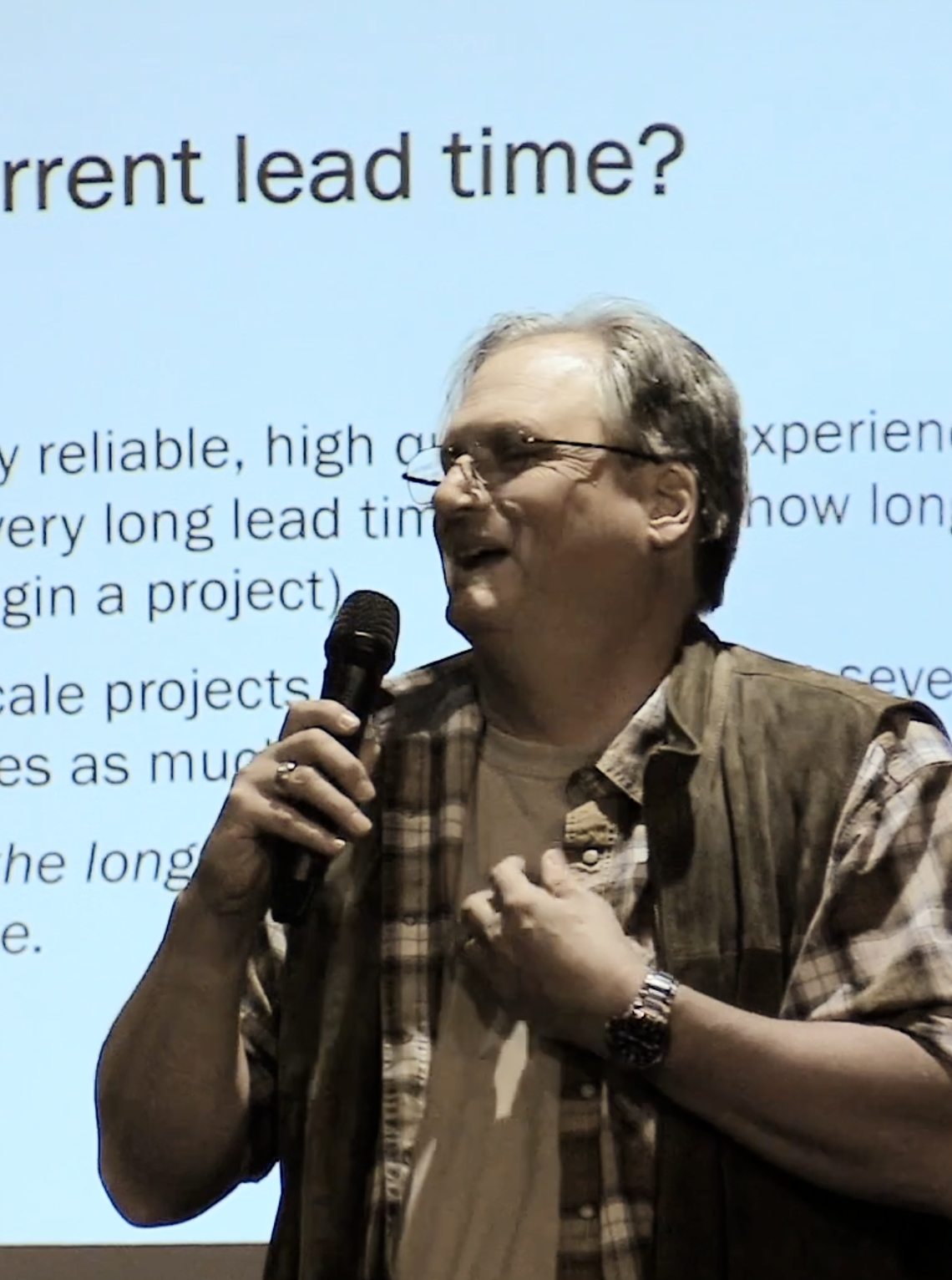
I have always been a teacher, happy to share skills and knowledge with others. My first paid teaching gig was in the 1980s, as a tutor for folks who had just acquired their first desktop computers. That was fun. Technology went on to offer many more opportunities to teach over the following decade: high school and college students, fellow staff in organizations where I worked, and new hires wherever I was their technology manager. Sometimes this meant structured training; at other times I acted as a mentor, where the professional relationship itself was a critical feature of the learning. Technology also provided my first multimedia presentation opportunities, as I proposed technology designs and vision for businesses and nonprofits. These variations of technology teaching continued for more than a decade.
At the same time, I was developing a different mode of instruction in a different field of study. This began with leading group studies of Christian scripture, which were as much about modeling exegesis, hermeneutics, insight, and behavior as about stimulating growth in those same areas in others. It was here that I began to develop a more empowering style of teaching: first asking questions and encouraging students to discover and consider answers for themselves, then exhorting them to carry the process forward by posing questions to the group themselves. I didn't have a name for this at the time, but I have since come to understand these as characteristics of inquiry-based learning (or a “Socratic circle”), which stimulates deeper engagement with a topic. In my experience, it works remarkably well.
This is the method I brought to classes on mysticism, meditation, and contemplative practice, and to teaching the system of Integral Lifework. It is by far my preferred approach to structured engagement with people on any topic. It does rely on participants being curious, willing to think deeply and self-reflectively throughout the process, and willing to discuss those thoughts openly and honestly with a group. When those conditions are present, it is a powerful method.
Performance
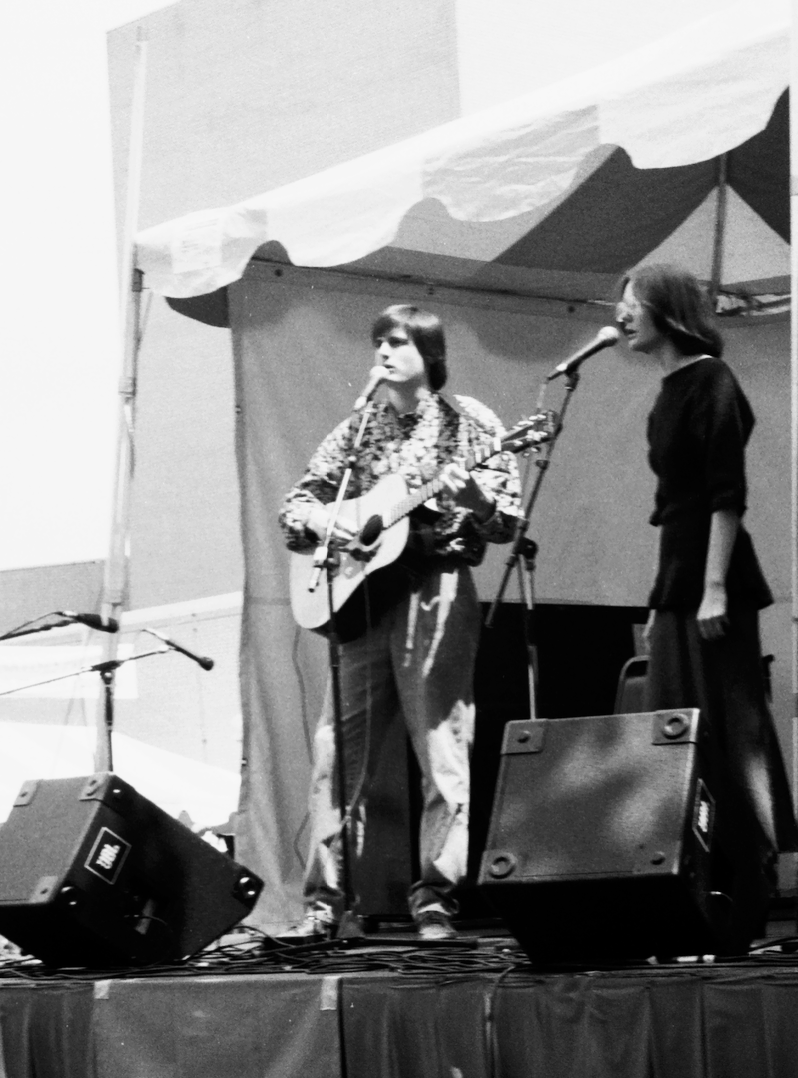
Performance has been with me for a long time as well. From touring Europe with a theatre troupe in my teens, to acting in community theater and then in paid non-Equity productions alongside Equity professionals in my twenties, to performing folk music solo and with a band, to professional voice-over work for marketing media, to running talent shows for my church, to sound and lighting tech for theaters and public events, to assisting my wife in directing a recent musical theater production — I've always been involved with performance in some way. I don't think I'll ever lose my passion for it.